 Film-Court – Your Ultimate Source for Short Films & Reviews
 Film-Court – Your Ultimate Source for Short Films & Reviews
As temperatures climb, revealing your legs becomes inevitable. But achieving that smooth, flawless look after shaving can sometimes feel like an uphill battle, with issues like ingrown hairs and strawberry legs often cropping up. Fortunately, Dr. Neera Nathan, a Harvard-trained dermatologist and skin cancer surgeon, has unveiled a simple yet effective shaving routine to combat these common problems.
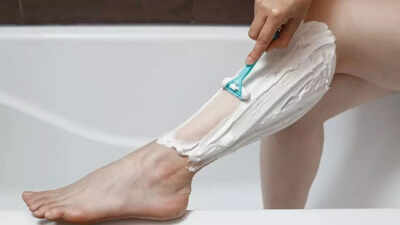
Here’s her four-step guide to achieving silky, bump-free legs:
Prioritize skin preparation. Ditch the dry brush, which Dr. Nathan advises against due to its potential for irritation. Instead, opt for a gentle exfoliating body wash. Look for formulations containing lactic or salicylic acid. These ingredients work to loosen dead skin cells and release trapped hairs, paving the way for a smoother razor glide and minimizing the risk of ingrown hairs.
While it might be tempting to rush the process, skipping shaving cream is a recipe for razor burn and bumps. According to Dr. Nathan, shaving cream acts as a crucial protective barrier between the razor and your skin. This barrier reduces friction, enabling a closer, more comfortable shave, and preventing cuts or irritation. Select a cream that suits your skin type; fragrance-free and hydrating options are ideal for sensitive skin.
After showering, the next essential step involves applying a glycolic acid spray. This proactive measure helps ward off ingrown hairs by maintaining clear pores and encouraging proper hair growth. Glycolic acid functions as a mild chemical exfoliant, enhancing skin tone over time. Dr. Nathan suggests using a spray bottle for easy application. If you have sensitive skin, introduce the spray gradually to monitor your skin's response.
Complete your routine with a urea-based moisturizer. Urea is known for its hydrating properties, but it also aids in breaking down rough, dry skin patches. This ensures your legs remain soft, smooth, and free from irritation. Furthermore, urea helps soften hair regrowth, making your next shave even easier. Applying this moisturizer daily, especially post-shave, helps preserve that silky-smooth finish throughout the summer.
Ingrown hairs and strawberry legs are often the result of underlying skin issues. Understanding these causes is key to effective prevention and treatment.
Shaving stands out as a primary culprit behind both ingrown hairs and strawberry legs. Using a dull or old razor heightens friction and can damage the skin. Shaving without proper lubrication can cause small injuries that lead to inflammation of the hair follicles and hairs trapped beneath the skin's surface, resulting in the appearance of dark dots.
Folliculitis, characterized by the inflammation or infection of hair follicles, is frequently triggered by friction from shaving, waxing, or sweating while wearing tight clothing. This condition often manifests as itchy, acne-like bumps.
Pores clogged with oil, dead skin cells, and bacteria can oxidize and appear as dark spots, resembling the "strawberry seed" effect. This occurs when sebum exposed during shaving oxidizes, forming small dark dots.
Dry skin can worsen the appearance of strawberry legs. Shaving dry, unexfoliated skin increases the likelihood of irritation, making post-shave dots more noticeable.
Keratosis Pilaris (KP), while a distinct condition, often mimics the appearance of strawberry legs. KP is caused by a buildup of keratin that blocks hair follicles, forming small, rough bumps.
Ultimately, strawberry legs are often harmless and stem from clogged pores, shaving irritation, or underlying conditions like folliculitis and keratosis pilaris. However, with Dr. Neera Nathan’s Harvard-approved 4-step shaving routine, you can minimize bumps, prevent ingrown hairs, and enjoy silky-smooth legs all season long.
Newer articles
Older articles

 R. Ashwin Eyes ILT20 Opportunity, Set to Enter Auction After Retirement
 'Still a long way to go' - Taskin encouraged by steps towards rediscovering rhythm
 Litton Das Reveals Colombo Pitch Preference: Mahedi Hasan Over Miraz Key to Victory
 Ankit Sharma Secures NoC from Puducherry, Eyes Kerala Move
 Decoding Urine Color: What Your Stream Reveals About Your Health
 Tamim to contest BCB polls, keeps president bid open
 Pujara Reveals Nerves Before Ringing Lord's Bell; India Aims for Test Control
 India vs England: Lord's Test Preview - History, Stats, and Key Battles
 Deepak Chahar and Wife Join Cricket Stars at Wimbledon After Kohli's Appearance
 Reddy Aims for Bowling Consistency After Lord's Test Breakthrough